VISA FOR TANZANIA
To enter Tanzania, you need a visa. Whether you go on safari, climb Kilimanjaro or relax on the beautiful beaches of Zanzibar, a visa is
TRAVEL INFORMATION FOR YOUR TANZANIA TRIP
We are happy to share our personal (travel) experiences with you and tell you more about the background of the Bright Tanzania team. Below you can also read tips on how to prepare your trip to and in Tanzania.

To enter Tanzania, you need a visa. Whether you go on safari, climb Kilimanjaro or relax on the beautiful beaches of Zanzibar, a visa is
Tanzania is one of the safest African countries, you don’t have to worry that anything will happen to you or your travel companions during your
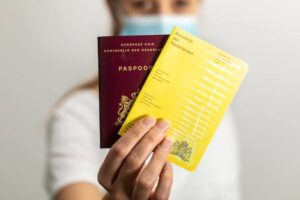
If you will be traveling to Tanzania, it is wise to get informed about the recommended vaccinations. Exactly which vaccinations you need depends on several
Yes, Dutch and Belgian travelers need a visa to Tanzania. The visa can be applied for in advance online through the official Tanzania immigration site (eservices.immigration.go.tz) or issued upon arrival at the airport. A tourist visa costs approximately 50 USD for a 90-day stay and is usually issued within a few working days.
Tanzania is known as one of the more stable and hospitable countries in East Africa and is a popular travel destination. The travel advice from the Dutch Ministry of Foreign Affairs is mostly green or yellow for the tourist section. It is wise to take regular precautions: do not carry valuables visibly, do not walk alone in dark areas and follow the advice of your guide.
Vaccinations against DTP, hepatitis A and yellow fever are recommended for travel to Tanzania. Yellow fever is mandatory for travelers coming from high-risk areas - request an international yellow booklet for proof. In addition, travel medicine authorities recommend malaria prophylaxis for stays in safari areas. Consult the GGD or a travel vaccination clinic at least 6 weeks before departure.
Tanzania's official currency is the Tanzanian Shilling (TZS). U.S. dollars (USD) are widely accepted in tourist areas, lodges and at park fees, provided the bills are post-2009 and in good condition. ATM with a Maestro or credit card is possible in Arusha, Moshi, Dar es Salaam and on Zanzibar, but cash is necessary in remote areas.
For a safari in Tanzania, light, breathable clothing in neutral tones (beige, khaki, olive green) is best. Bright colors and white are not recommended, as they can scare off animals or get dirty quickly. A fleece or warm jacket is needed for early morning game drives, a wide-brimmed hat and sunglasses against the sun, and sturdy shoes for walks. Covered shoulders and knees are appreciated for visiting villages and mosques.
Tipping is common in Tanzania and forms a significant part of the income of guides, porters and accommodation staff. For a safari guide and the driver, a guideline of $15 to $25 per day/per group is common. On a Kilimanjaro climb, a total amount is collected for the entire team (guides, porters, cooks), typically averaging $250 per climber for a multi-day climb to Uhuru Peak.
Tanzania's official languages are Swahili (Kiswahili) and English. Swahili is the native language of most residents and is used in daily life. English is widely spoken in tourism, education, government and business. Bright Tanzania's guides and drivers are fluent in English.
Tanzania uses plug types D and G - the same three-pin plug as in the United Kingdom. The mains voltage is 230 volts at 50 Hertz. A world plug or UK adapter is therefore required. In remote lodges and tented camps, power is sometimes limited to certain hours or via solar panels.